Process of “restoration”


Mindmap of “process”
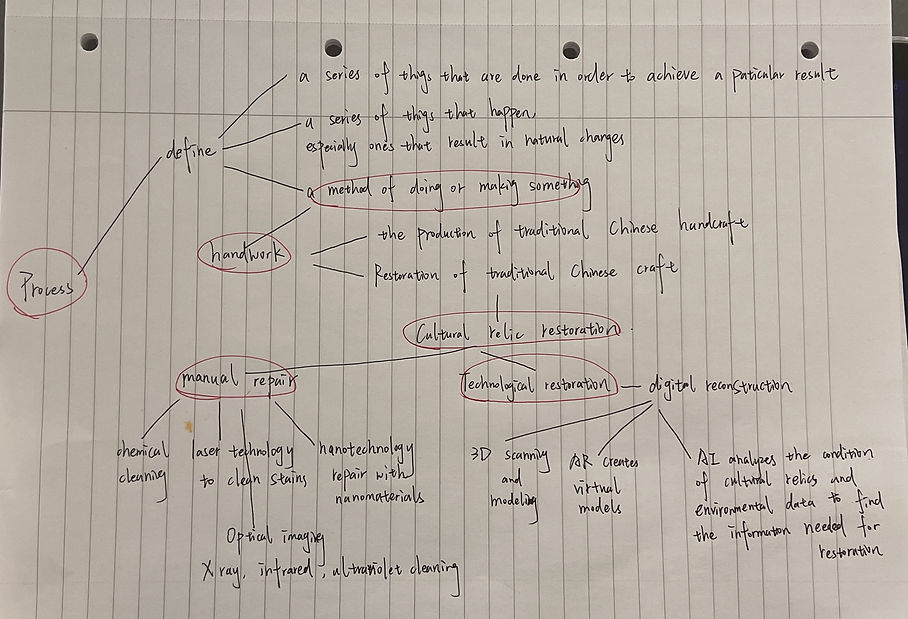
In this project, I plan to highlight the process of the word "restoration" and combine TouchDesigner and AR technology to make people intuitively feel the importance of "restoration of cultural relics" for their appreciation. And think about whether "restoration" in the traditional sense, can be iterated through modern technology.
Research
I conducted research on physical restoration and technical restoration respectively.
-Physical restoration
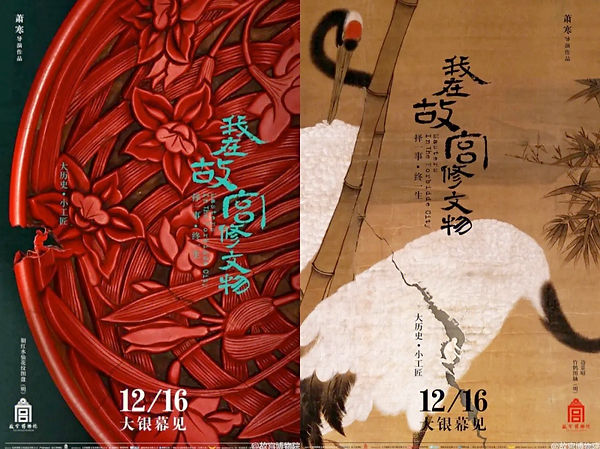
The name of the documentary is Masters In Forbidden City. I conducted research on a documentary on cultural relic restoration, which is a three-episode documentary produced by China Central Television. The first episode tells the restoration story of bronzes, palace clocks and ceramics; the second episode is the restoration story of wood, lacquer, inset treasures and embroidery; and the third episode is the restoration, copying and imitation of calligraphy and painting.

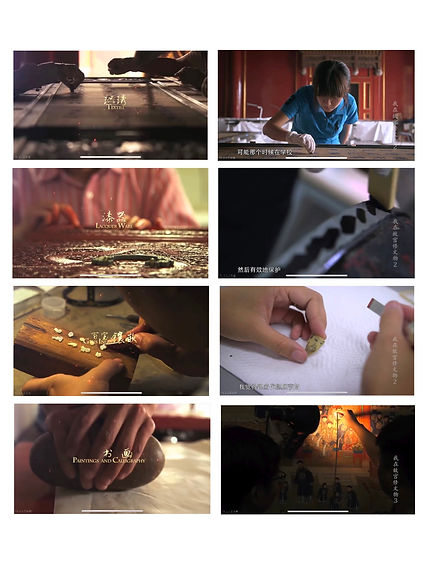
Through this documentary, I found that the process of artificial restoration of cultural relics is very complicated and requires many steps. The first step is to conduct a comprehensive assessment and inspection of cultural relics, determine the degree of damage, original materials, and historical background. These steps can help restoration experts understand the condition of cultural relics and the possibility of restoration. The second step is to clean the surface of the cultural relic and locate the correct location of the cultural relic fragments. The third step is to fill and glue the relics with appropriate materials. The fourth step will fill in the fixed cultural relic decoration. During the whole repair process, every repair detail should be recorded, and the repair effect should be evaluated after the final repair.
This makes me wonder: in the new era, can cultural relics be restored and displayed in a more electronic and technological way? So I conducted research on the modern way of displaying cultural relics.
-Technical restoration
Application of AR museum-Natural History Museum
Hold the World is the first fully interactive production from Sky, combining technology used in interactive video games and TV documentaries.
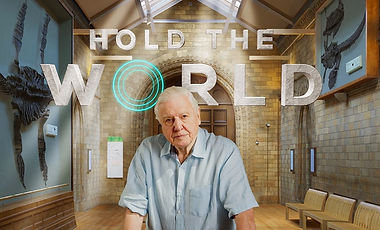
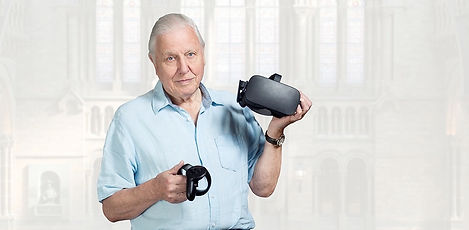


The experience lasts between 20 minutes and an hour. Viewers will be able to virtually enter various rooms in the Museum, and in each Sir David Attenborough will be sat opposite the participant, inviting them to examine several rare specimens.
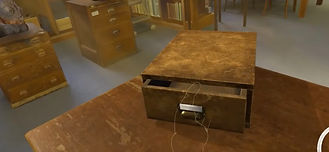
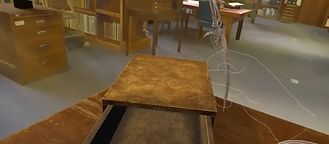

Participants will go behind the scenes and virtually hold, enlarge, expand and perhaps even bring to life star specimens - which may range from prehistoric fossils to an ancient human skull - alongside Sir David, who will contribute his extensive knowledge of the natural world.
It gives me idea that Through AR technology, people can intuitively see the comparison between the appearance of cultural relics before and after restoration and also learn what operations the restorer has experienced in the process of cultural relic restoration, so that people can understand the huge restoration work and the visual importance of the exhibition.
The museum launched the game
《Mona Lisa:Beyond the Glass》game

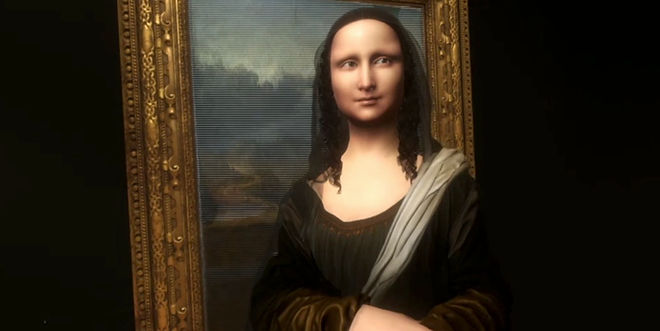
Mona Lisa: Beyond the Glass is the first VR experience presented to the public by the Louvre Museum and is conceived as part of the Museum’s seminal Leonardo da Vinci exhibition which commemorates the 500th anniversary of the artist’s death in France. It reveals the latest scientific research on da Vinci’s artistic innovation and his painting techniques and processes through exceptional visualization in virtual reality, bringing them to life. Users can see the painting up close, including layers of oil paint, cracks in wood panels and repair marks.
I think it is meaningful for this game to break through the environmental restrictions and allow people to see the exhibition at home and enjoy the famous works up close.
Nintendo creates virtual galleries in games
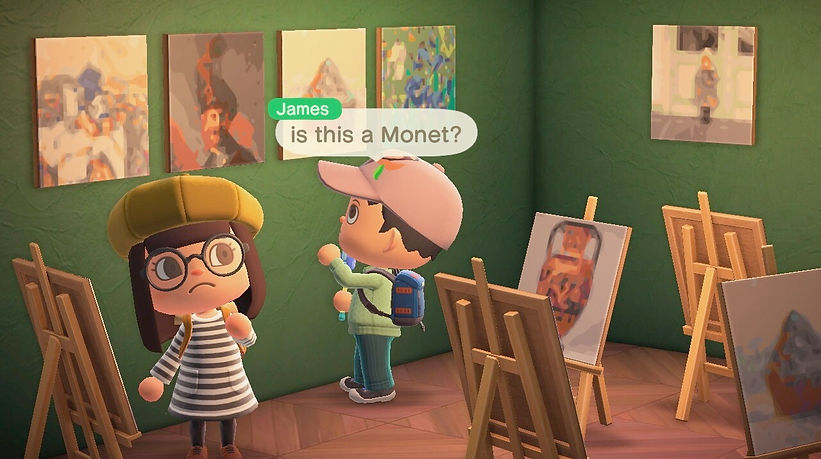


Animal Crossing: New Horizons in collaboration with J. Paul Getty Museum,launched a simple image-generating tool.Players can search for art in the Getty Museum, cut and generate two-dimensional code according to their preferences, and then scan through the Nintendo Switch mobile client, generating virtual paintings in the game, so that every "artist islander" can "move" their favorite art to the island.
The process of creating your own virtual exhibition hall in the game is very interesting, just like collecting stamps will bring people satisfaction. You can scan the code in the app, closely observe the cultural relics, like the screenshot, and also share it with friends in the app.
Artist research

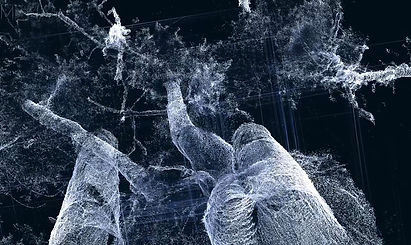


The Giants - Point clouds animations (excerpts)
Alex Le Guillou
2021
Lidar data captured from the ground and drones showcases Tasmania's majestic trees in a project that is part of an upcoming documentary, the gaints.
VFX/Cinematics experiment with Niagara in Unreal Engine.


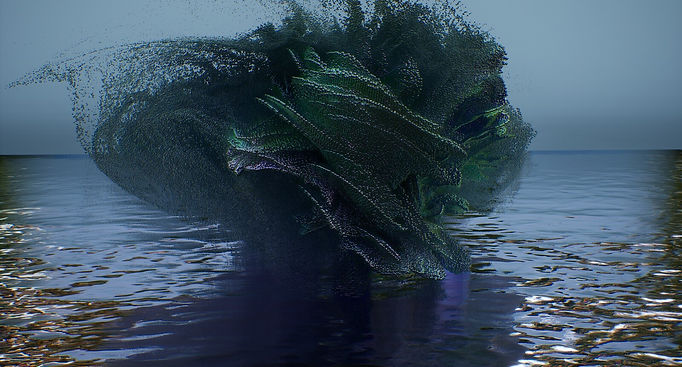
Tree/Waves
Yuma Yanagisawa
Japanese new media artist Yuma Yanagisawa explores abstract 3d visual art, combining the image of a tree with a digital dynamic sculpture produced by a particle system.
Conclusion
The point cloud image simulates the growth process of all things in nature, which gives me inspiration. I think touchdesign can make particle effect to simulate the process of destruction and restoration of cultural relics.
Design Process
inspiration

I have a favorite notebook with a picture of thousands of miles of mountains and rivers on the cover. In 2017, I visited the Palace Museum in Beijing and saw the original painting. This painting left a deep impression on me, so I bought some related cultural and creative products later. "Thousands of miles of mountains and rivers" is one of the most famous landscape paintings in Chinese history and one of the representative works of the famous painter Wang Ximeng in the Ming Dynasty. The work, about 52 meters long and 24.8 centimeters high, is painted in ink on silk and depicts a magnificent landscape of mountains and rivers, showing the magnificence and diversity of the natural landscapes of north and south China. Because this painting is really impressive when viewed with the naked eye, I created it as a prototype.
Work in TouchDesigner
In my design, this is not really restored in the traditional sense, and cultural relics can continue to be inherited through modern technology in the new era. Because real repairs require professionals and are very difficult, I conceptualize the word restoration. First, cultural relics are digitally processed through TD, and the point-like structure simulates the feeling of cultural relics being destroyed. And in the next semester part, I plan to use AR technology to present a complete and beautiful picture of cultural relics through mobile phone scanning.

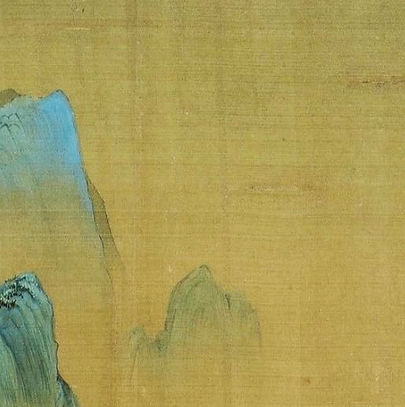

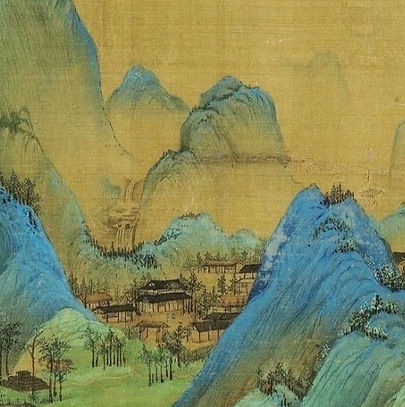

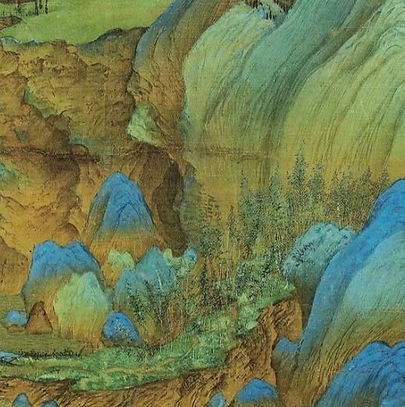
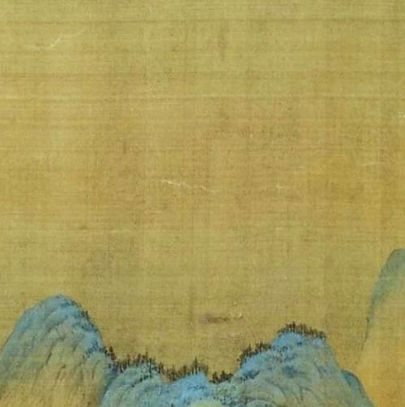


Because the painting is 52m long, I cut the frame part and divided it into six parts.


Then I turned the 2d pattern into a 3d dot map, and the point cloud effect I wanted to reflect the "destroyed" feeling of the cultural relics.
However, I think the single-point cloud effect is not enough because the damage degree of each part of a cultural relic is different, so I added the function slider. The slide control of Silder changes the movement of particles, making some particles look more three-dimensional, and the visual clarity of different small pieces of patterns presented in the end is inconsistent.
Final display in TouchDesigner


I used silder to adjust each image and spell out the large pattern.
What I want do in next part
Through research, I want to use plane AR technology in Design Domain Part 2 and present a complete and beautiful picture of the cultural relic through mobile phone scanning. People can intuitively see the comparison between the appearance of the cultural relic before and after restoration, and they can also learn about the operations experienced by the restorer in the restoration process by combining the traditional restoration process. Let people understand the enormity of the restoration process and the importance of the visual effects of the exhibition. In addition, I also want to make the process of appreciating cultural relics more interesting, and I want to add the interaction between people to make this process more interesting, which is what I want to explore in depth in the next semester.
Sketch of AR technology in Part2
